
On this page
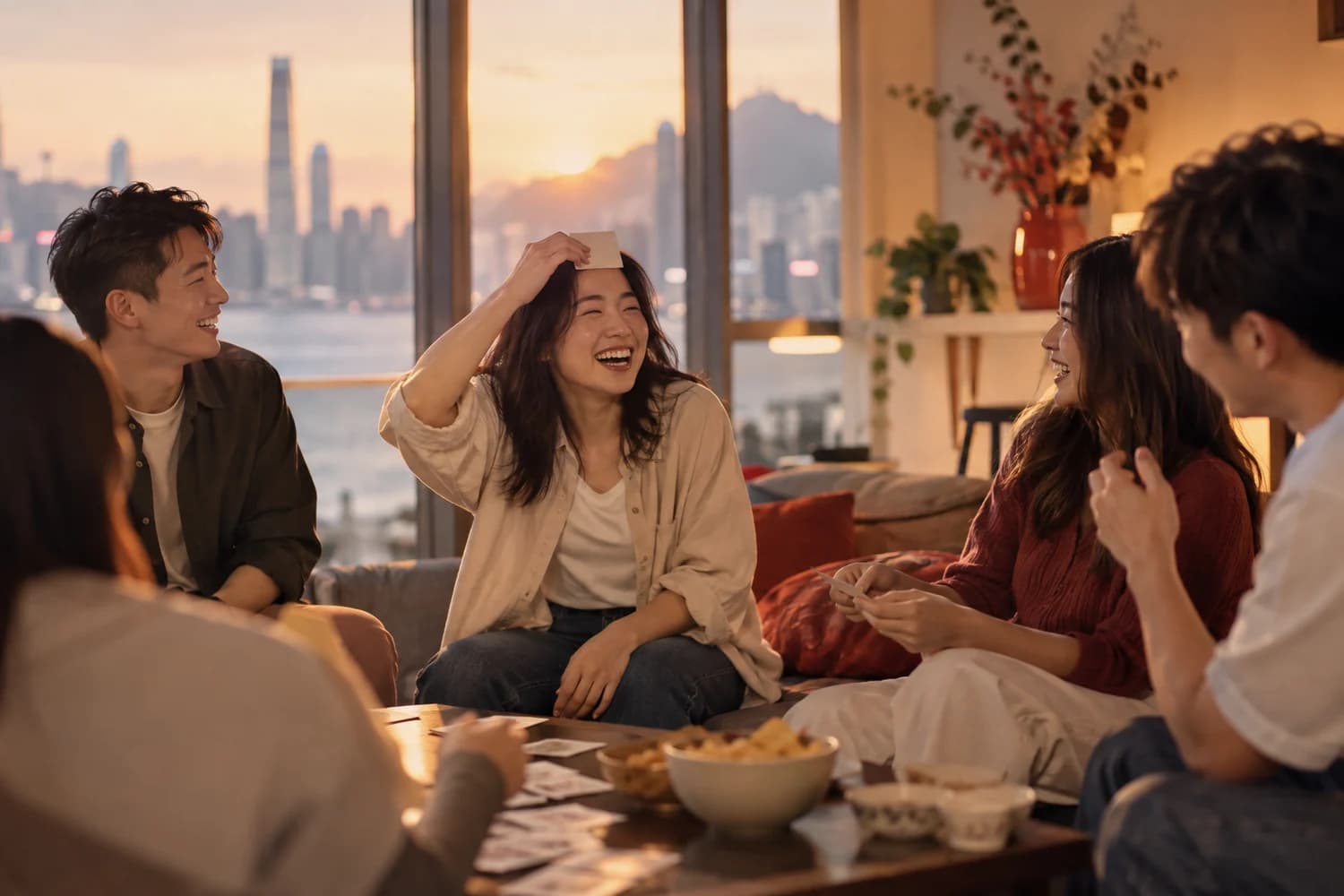
An alcohol-free party feels complete when the invitation sets the expectation, the drinks are enjoyable in their own right, and the room supports an activity people came to share. Decide the rule before inviting guests, choose a venue whose amenities fit the activity, and make water and appealing non-alcoholic choices easy to find. No guest owes an explanation for choosing not to drink. A room photograph cannot prove what beverages, staff or activities a particular venue supplies.
Define the event without centring the absence of alcohol
Start with a purpose guests can picture: a game night, a birthday meal, a craft session, a relaxed reunion or a small team celebration. Then state that the gathering is alcohol-free in plain invitation language. For example: “We are meeting for food and board games; this is an alcohol-free get-together. Tea, sparkling water and a fruit drink will be available.” If the venue has a policy about outside drinks, check it before naming what you will serve. Avoid presenting alcohol-free attendance as a personal test or demanding private reasons from guests.
Hong Kong's Department of Health has explicitly discussed alcohol-free parties and notes that hosts need not serve alcohol and guests need not drink. That page was published in 2011; it is general health guidance, not an upcoming seasonal event or current venue offer. The Centre for Health Protection's banquet advice suggests water and plain tea, avoiding alcohol and limiting sugary drinks. Use these as principles for hospitality, while giving guests choices that fit their preferences and dietary needs.
Clarify what “alcohol-free” means for your particular event. Does it mean the host will not serve alcohol, or that guests should not bring it either? If you intend the whole room to remain alcohol-free, say so in the invitation and confirm the venue permits that arrangement. If people are accustomed to bringing their own drinks, a vague “drinks provided” line leaves room for misunderstandings. You can be courteous and precise: “Please do not bring alcoholic drinks; we will provide other options.”
Choose the room for the activity and conversation
A good alcohol-free venue decision begins with seating, tables, noise and food access rather than a bar counter. For board games, look for a table large enough that pieces and snacks do not compete for the same space, with usable lighting and seating that lets people join without climbing over others. For conversation, compare whether everyone can hear at ordinary speaking volume and whether there is space to circulate. For a craft session, check what materials the host permits and how the surfaces must be restored. For a birthday meal, confirm tableware, food rules and any time needed for serving and clearing.
Do not assume a venue labelled “party room” provides games, tea, ice, cups, a working refrigerator or a sink. Ask the host for an itemised answer. Confirm whether outside food and drinks are allowed, if there are cleaning charges or waste rules, and when setup may begin. Ask what is included in the hired time. On Gatherland's public preview, a venue search is a useful planning step, but it cannot be treated as evidence of actual bookable inventory, prices or an accepted reservation.
The room should also fit the people, not just the entertainment. Check seating and toilets for the actual guest group, and ask about step-free access if someone needs it. If the plan includes a quiet corner for guests who want a break, verify there is a real usable area rather than assuming the listing's capacity leaves spare space. If the event may run late, compare routes home before setting the end time. These choices make the gathering welcoming without requiring alcohol as a social engine.
Build a drinks table that offers real choice
Water should be easy to reach throughout the event. Add perhaps one warm option and one chilled option, depending on the room's facilities and the group. Unsweetened tea, chilled water with fruit slices, or a simple sparkling-water mix can feel deliberate without a complicated mocktail station. The exact menu is your choice, not a health claim or venue promise. Read product labels if you need to avoid alcohol entirely; a product's marketing name is less useful than its stated ingredients and alcohol content.
Place drinks on a stable surface away from game pieces, cables and food that needs careful handling. Put cups and a way to identify them nearby so guests do not repeatedly take new ones. If the venue has no sink or ice storage, pick ready-to-serve drinks and bring the required cups, rather than building a recipe that depends on equipment you have not confirmed. If there are children, consider cup placement and hot drinks in the room layout. If guests have food allergies or other dietary needs, get a suitable option rather than assuming one punch bowl works for everyone.
The CHP's banquet guidance recommends limiting sugary drinks as well as avoiding alcohol. That does not mean every party drink needs to be plain water, but it argues for making water and unsweetened options normal choices, not hidden backups. Change4Health's guidance on binge drinking also advises against pressuring friends to drink and says social gatherings can work without alcohol. An alcohol-free event removes the need for that particular pressure, but hosts should still avoid pushing any guest to explain a drink choice.
Put a simple activity rhythm on the clock
Plan an opening that works for arrivals at different times. A shared snack table, short welcome and self-explanatory game give early guests something to do while later guests travel. Then choose one main activity with a clear start and an optional way to join after it begins. Keep a conversation or quiet area available for people who prefer to watch. End with a visible winding-down phase so clearing the room does not interrupt the best part of the evening.
A schedule should be a practical tool, not a rigid entertainment programme. For example, a hypothetical three-hour gathering for ten friends might use an opening period for arrival and food, a middle period for two short games, and a final period for dessert, conversation and room reset. If the room has only one large table, the organiser might choose games that permit rotation or a shared puzzle rather than a setup requiring every guest to play continuously. These numbers illustrate a planning decision; they do not state a venue's minimum booking period, capacity or price.
Assign one host to welcome newcomers and one person to keep track of the room's time and return conditions. People can help without turning the party into a staffed event. If a game has complicated rules, prepare a short explanation; if music is part of the plan, confirm the venue's actual sound rules rather than assuming loud speakers are allowed. The value of the activity is that guests know what to share, not that they must perform for the host.
Make the invitation and follow-up do useful work
The invitation should state the date, arrival window, end time, location instructions once confirmed, whether food is provided, and the alcohol-free expectation. Ask only the information you need, such as headcount and relevant food needs. Do not send an unverified venue address or claim that a booking has been confirmed when it has not. If some guests might be uncomfortable with an alcohol-free rule, a private, respectful conversation before the event is better than a surprise at the door.
Use a date poll if the group has not fixed a time, and a cost splitter if people are sharing actual agreed costs. Do not invent a per-person estimate from a preview listing. Once the venue conditions are confirmed, send a concise arrival note covering the entrance, access arrangement and any venue rules that matter. A reminder about the alcohol-free plan can be one sentence; it need not be a campaign speech.
At the venue, display the drink choices clearly and keep the table topped up. If someone brings alcohol despite the invitation, handle it quietly and consistently with the rule: explain where it can be kept or ask them not to use it in the room, depending on the venue's conditions. Do not make the person a public example. If the venue itself imposes a different rule, follow the confirmed terms and adjust the event plan rather than assuming the host will bend them.
Close with the room, not just the last game
Before the event, agree who will collect cups, separate waste as the venue requires, gather decorations and check for belongings. Allow enough time for those tasks inside the hired window. If you served perishable food, follow the relevant food-safety guidance rather than leaving it on a table for the next group. Ask the venue about rubbish and recycling routes; do not assume staff will clear everything. A complete gathering leaves guests with a good shared memory and the host with a room returned as agreed.
The decision test is straightforward: can you describe the event positively in one sentence, confirm the venue permits your food and drink plan, give guests appealing non-alcoholic choices, and fill the time with conversation or an activity that suits the room? If so, the alcohol-free rule becomes an ordinary part of the invitation rather than the entire identity of the party. Put the final supplies and handover tasks in the party checklist.
Found this useful?
Send it to the friends you're planning with.