
On this page
Key takeaways
- Start with what you are cooking: baking needs ovens, a big meal needs hobs and counter space, a group needs room to stand.
- You usually bring the ingredients. Ask whether seasonings, oil and cleaning supplies are provided.
- For a three-hour session, keep at least 30 minutes for cleaning to avoid overtime or a deposit claim.
- Ask participants about food allergies in advance, and keep those ingredients separate and labelled.
- Bring food boxes and a cooler bag to take leftovers and finished dishes home.
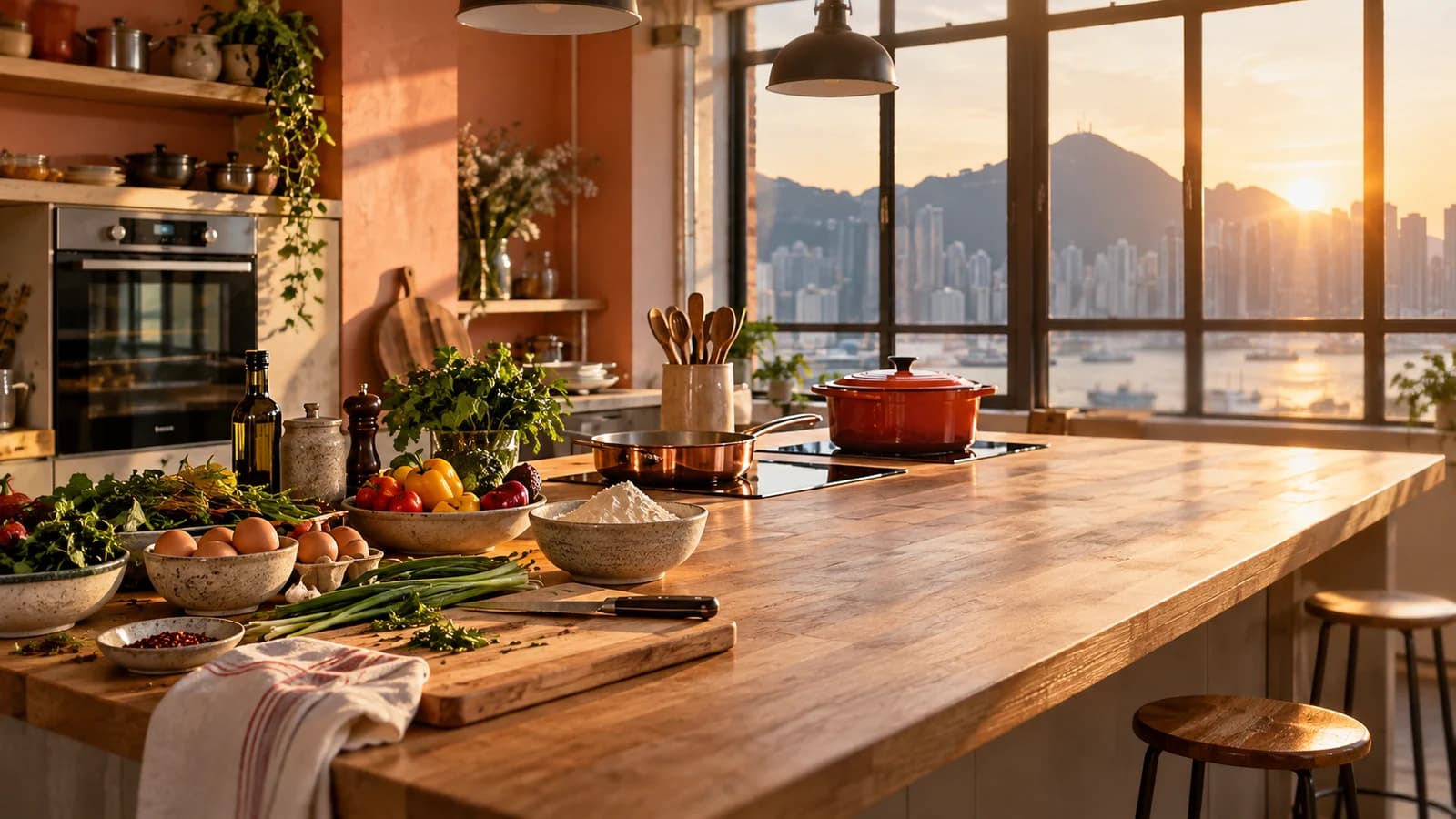
Start with what you are cooking: baking depends on the oven, a big meal depends on the hobs and counter space, and group cooking needs room for everyone to stand. Then check the cookware, fridge, cleaning arrangements and house rules. On Gatherland you search by date, time and group size, see the total and availability straight away, and pay online.
What should I check before booking a cooking studio?
Hobs and ovens
- Are the hobs induction or another type, and how many are there?
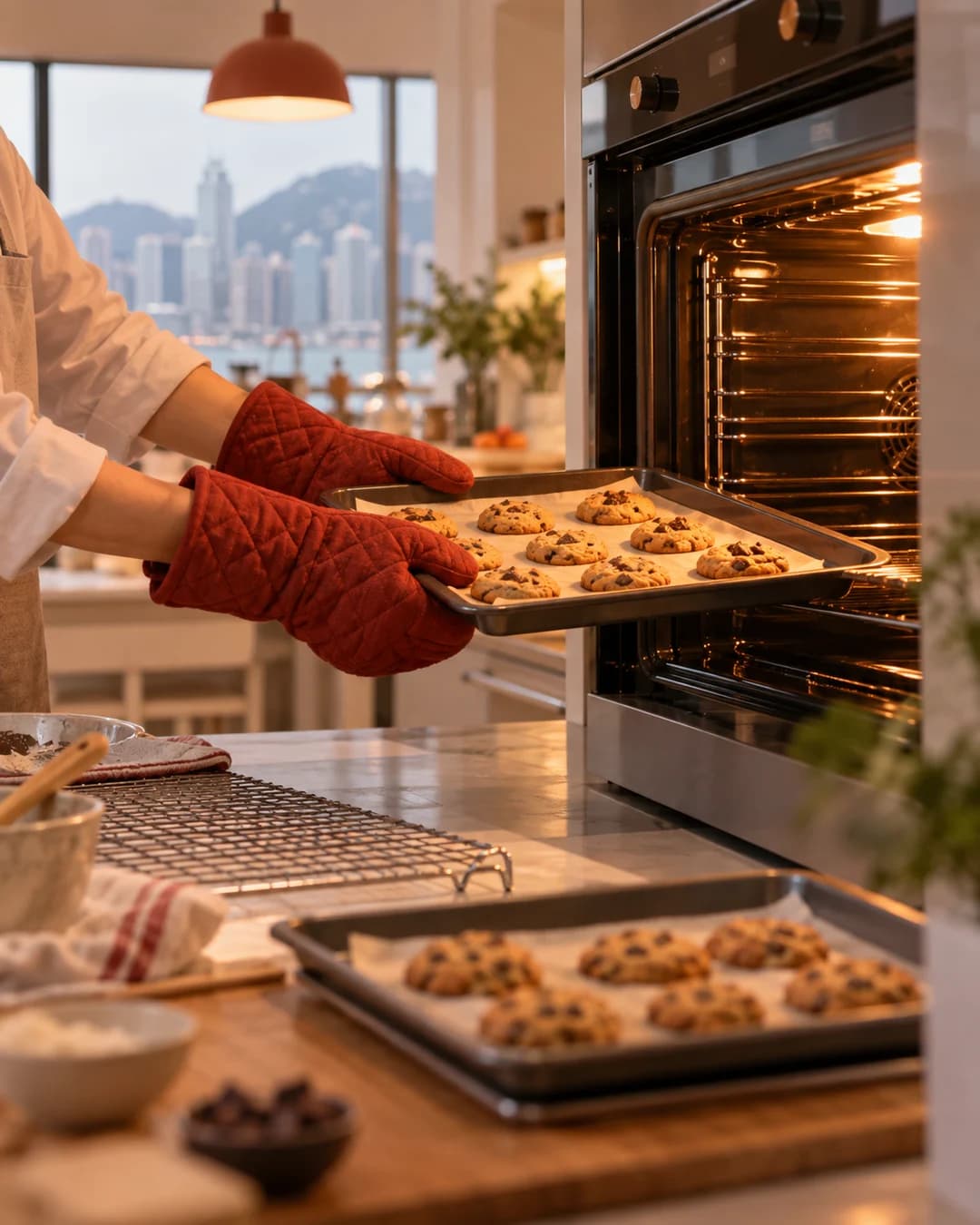
- How many ovens, and how big? Can you bake everything in one go?
- Are there small appliances such as a blender or stand mixer?
Cookware and tableware
- Enough woks, pots, knives, chopping boards and baking trays for everyone?
- Enough plates, cups and cutlery to eat together?
- Are seasonings, oil, cling film and foil provided, or should you bring them?
Fridge and storage
- Is the fridge big enough for all the ingredients?
- Is there a freezer? Useful for desserts.
Counter space and room
- More cooks need a longer counter to split the work.
- Is there a separate dining table to sit down and eat afterwards?
- The venue page shows the maximum headcount.
Cleaning
- Do you wash up and wipe down, or does the host?
- Are washing-up liquid and rubbish bags provided?
- If the host finds extra cleaning is needed, they may claim against the deposit with evidence. See deposits and cancellation explained.
Children
- For parent-and-child sessions, check whether the venue suits children and whether there is a child rate.
- Hobs and knives need adult supervision.
Access and carrying ingredients
- If you are bringing a lot of shopping, is there a lift and parking nearby?
- Is it self check-in or staffed? That affects how late you can book and how you get in.
- Many cooking studios are on upper floors of industrial or commercial buildings. In summer, carry frozen meat and cream from the market in a cooler bag.
Add-ons
Some venues offer add-ons, such as ingredient sets or an instructor. If a venue has them, they appear during booking and are added to the total when you choose them.
Which studio suits which use?
Baking and desserts
- The oven matters most. Check its size, the number of ovens and whether baking trays are provided.
- The fridge and freezer need room for cream, butter and half-finished bakes.
Dinners with friends or for two
- A dining table lets you sit down and enjoy the meal.
- A speaker or TV lets you play music while you cook.
- See cooking studios for couples and cooking studios for birthdays.
Classes and team building
- You need enough hobs and counter space for each group to have its own station.
- The instructor needs a demonstration spot everyone can see.
- Allow time for prep and cleaning.
- See cooking studios for classes and cooking studios for team building.
How should a three-hour session run?
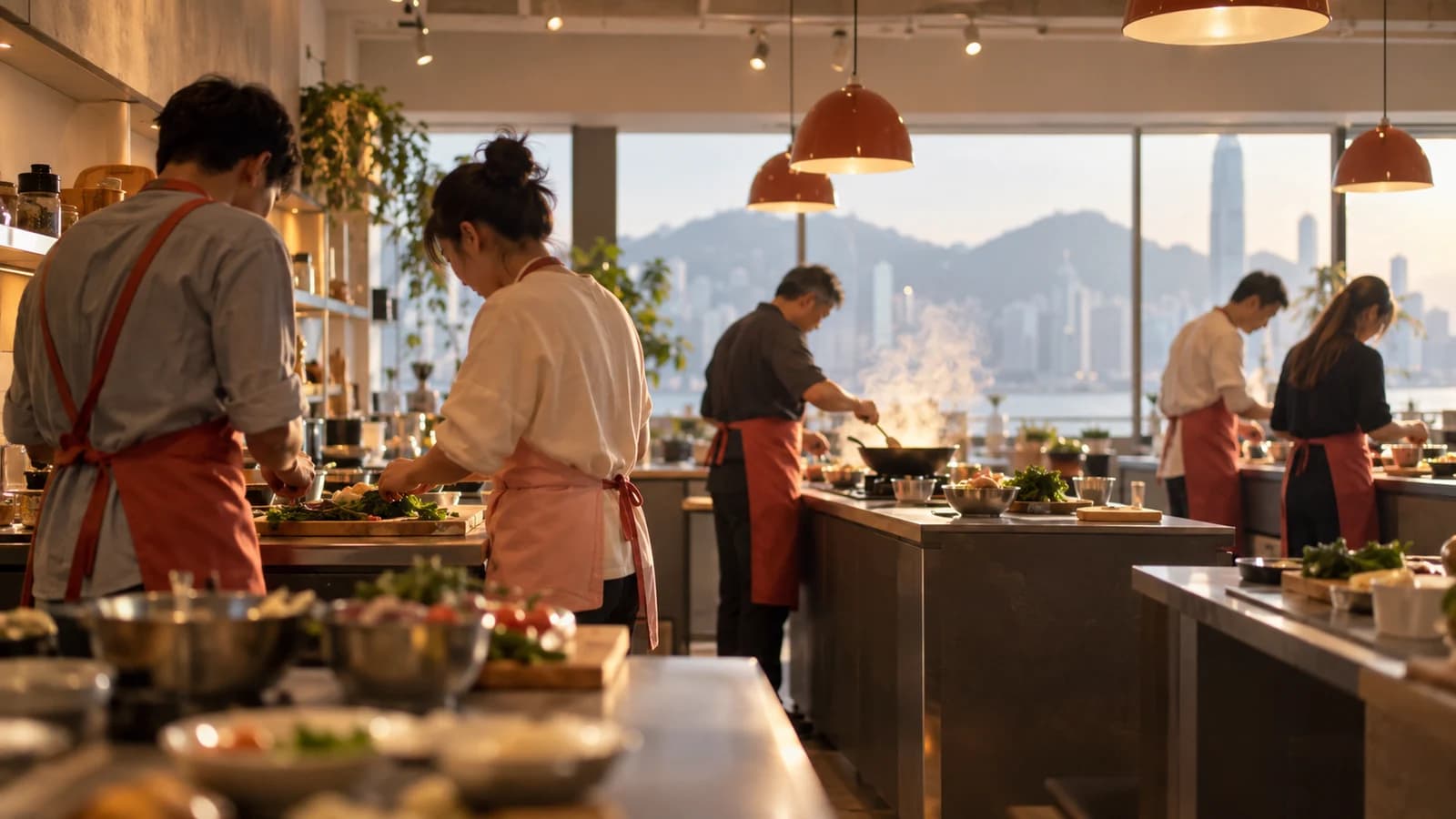
A sample plan for a class or team event. For friends, shorten the demonstration:
- 1
First 20 minutes: arrive, wash hands, split into groups
Aprons on and hair tied back. Each group takes its station, with ingredients already portioned per group.
- 2
20 minutes: demonstration
The instructor or organiser walks through the steps at the demo spot where everyone can see.
- 3
70 minutes: cook in groups
Each group cooks. If ovens are limited, agree the order in advance so each group knows when it can bake.
- 4
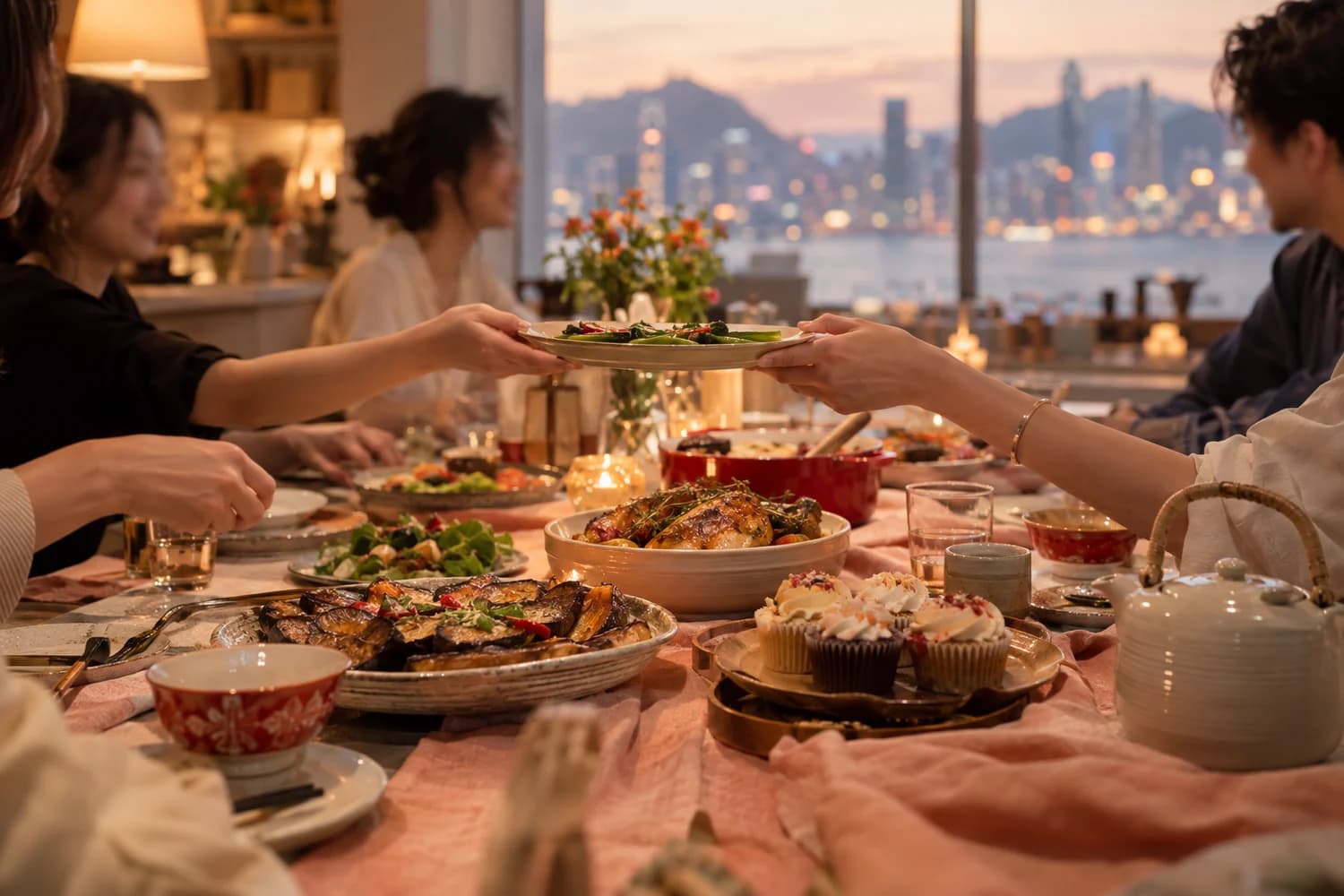
40 minutes: sit down and eat
Lay the table, take photos and eat together. Someone can start washing used cookware.
- 5
Last 30 minutes: clean up
Wash up, wipe counters and hobs, bag rubbish, and box leftovers and finished dishes to take home.
What should I bring?
What to ask the host before booking
- The type, number and size of hobs and ovens.
- Whether seasonings, oil and cleaning supplies are provided.
- Whether you clean up or the host does.
- Whether ingredients can be delivered to the venue ahead of time.
- Whether you can put ingredients in the fridge before the session starts.
Message the host from the venue page. The conversation stays on the platform.
How does pricing work?
Cooking studios charge either per room per hour or per person per hour. Watch for:
- Weekend rate: Friday to Sunday, public holidays and the day before a public holiday.
- Minimum hours and minimum headcount: some venues set them.
- Child rate and group discounts: some venues offer them.
- Add-ons: added to the total if you choose them.
For typical price levels, see the price index. The total in search results is what you pay; there is no booking fee for guests.
Practical tips
- Allow time for prep and cleaning so you do not run into overtime.
- Defrost frozen meat in advance so it is not still solid when you arrive.
- If the group is sharing the cost, the cost splitter works out each share; enter ingredients and the room separately.
How do I book?
- Go to cooking studios and choose a district, or use search.
- Enter the date, start time, duration and group size.
- Check the equipment, house rules, cancellation policy and any deposit.
- Pay online in full. Instant-book venues confirm straight away; for host-confirms venues, the host has 24 hours to accept.
- After confirmation you see the exact address and entry arrangements.
For teaching see cooking studios for classes, for company events see cooking studios for team building, and for two see cooking studios for couples.
Cooking studios you can book now
Frequently asked questions
What equipment does a cooking studio usually have?
Commonly hobs, an oven, a fridge and basic cookware, but every venue differs. For baking, check the size and number of ovens; for a big meal, check the number of hobs. If in doubt, message the host from the venue page.
Do I bring my own ingredients?
Usually yes. Some venues offer add-ons; if so, they appear during booking and are added to the total. Ask whether seasonings, oil and cleaning supplies are provided.
How is a cooking studio priced?
Some charge per room per hour, others per person per hour, and some have a child rate. Friday to Sunday, public holidays and the day before a public holiday are charged at the weekend rate. Search with your date, time and group size to see the total.
Do I have to do the washing up?
It depends on the house rules. Some venues expect guests to clean up, others handle it. Read the rules before booking; if the host finds extra cleaning is needed, they may claim against the deposit with evidence.
How long should I book for a baking session?
It depends on the recipe. Count preheating, baking, cooling and decorating, plus cleaning at the end. With few ovens and a large batch you will bake in rounds, which adds time.
Find a venue
Found this useful?
Send it to the friends you're planning with.