
On this page
Key takeaways
- The three things that matter most: a wide enough mirror, a floor that suits your style, and space for the whole formation.
- In a two-hour rehearsal, warm up for 10 minutes and keep 20 minutes near the end for full runs and filming.
- Bring a clean pair of indoor shoes; many studios do not allow street shoes.
- Calendars open 90 days ahead, so a weekly class can book about a term of sessions at once.
- Weekday daytime slots avoid the weekend rate.
The three things that matter most are a mirror wall wide enough for the group, a floor that suits your style, and enough space for the whole formation to move. After that, check the sound system, air conditioning, changing space and soundproofing. On Gatherland you search by date, time and group size, see the total and availability at once, and book online for rehearsals, classes or filming.
What should I check before booking a dance studio?
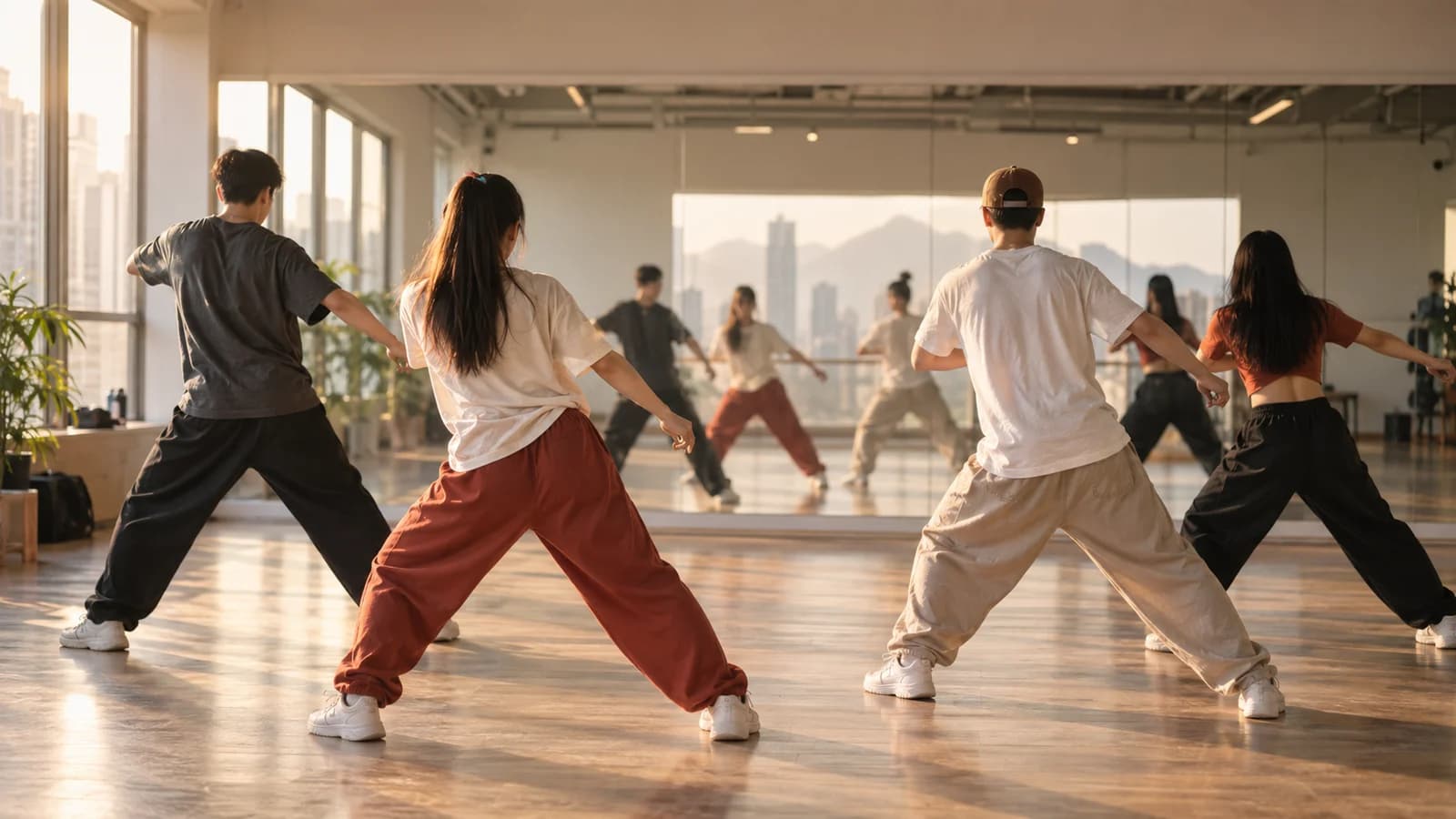
The mirror wall
- How wide and tall is it? Can the back row see themselves?
- Is it one wall or two, and will it cause reflections if you film?
- See dance studios with a mirror wall.
The floor
- The floor surface changes how jumps and turns feel. Some venues list a sprung floor.
- Street dance, ballet and K-pop have different needs. Ask the host if you are unsure.
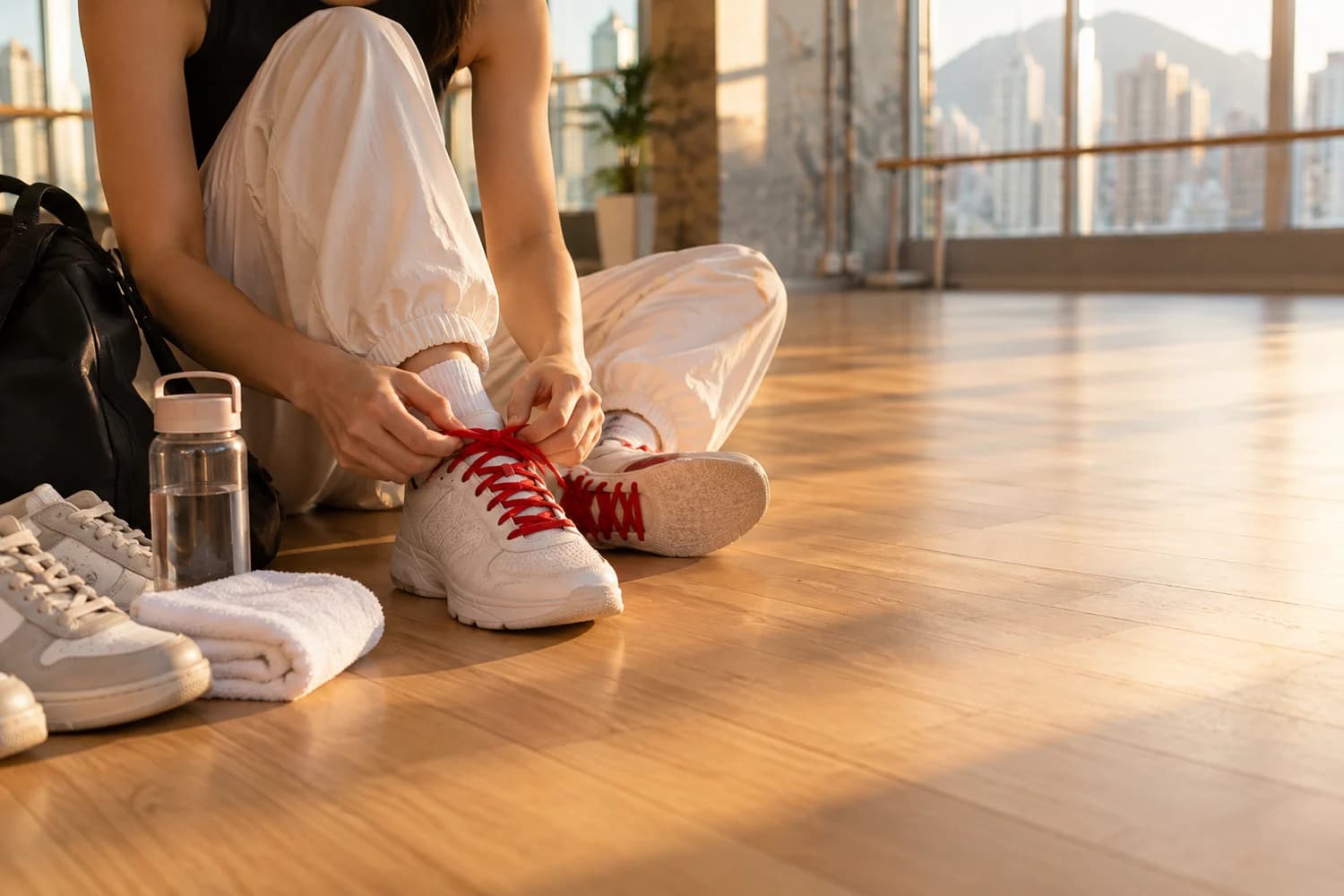
- Check the house rules on footwear: do you need to change shoes?
Space and headcount
- Formations need room to move in every direction.
- For bigger rehearsals, allow space for bags and rest.
- The venue page shows a maximum headcount. Stay within it.
Sound
- Is there a Bluetooth or wired speaker, and is it loud enough?
- Is there a microphone if you are teaching?
- Ask the host before bringing your own equipment.
Air conditioning, ventilation and soundproofing
- After an hour or two of dancing, the room gets hot. Strong air conditioning matters.
- Soundproofing decides how loud you can play and whether neighbouring rooms disturb you.
Changing room, toilet and access
- Is there a changing room and somewhere to store bags?
- Is the toilet inside the unit or shared?
- Is it self check-in or staffed? That affects how late you can book and how you get in.
Add-ons
Some venues offer add-ons, such as extra lighting. If a venue has them, they appear during booking and are added to the total when you choose them.
Which studio suits which use?
Rehearsals and competition practice
- The mirror should be wide enough for the back row to see themselves.
- The room should fit the full formation. Do not go too small to save money.
- See dance studios for rehearsals.
Teaching a class
- Match the class size to the floor area, and leave room for the teacher to demonstrate.
- A microphone and speaker save you from shouting.
- Changing and storage space matter to students.
- See dance studios for classes.
Filming dance videos
- Check that the background is clean and the mirror will not show the camera operator.
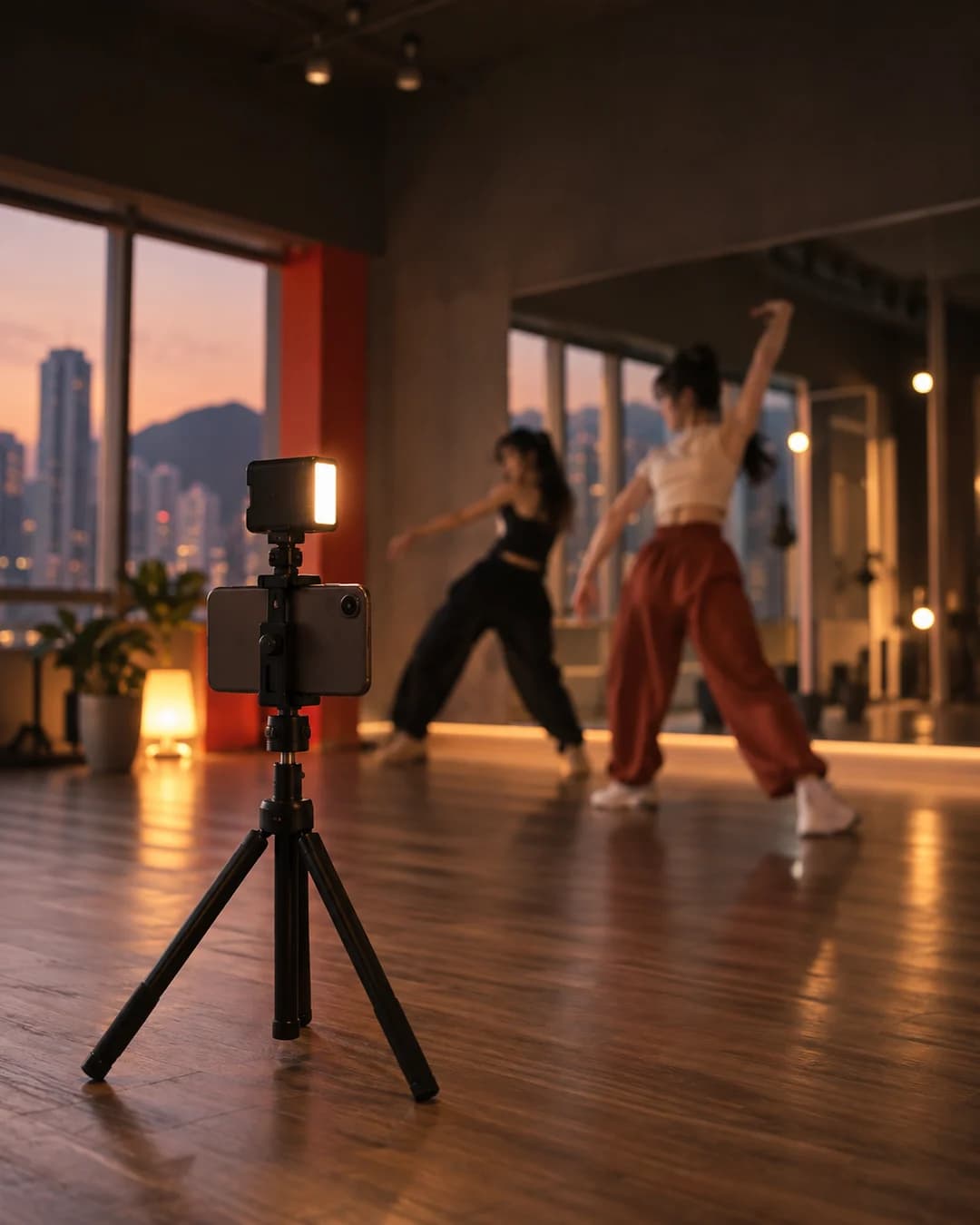
- Is the lighting enough, or do you need your own fill light?
- See dance studios for video shoots.
How should we use a two-hour rehearsal?
A sample plan for a group learning one routine, to adjust for your style and progress:
- 1
First 10 minutes: warm up and stretch
Warm up properly before big movements to reduce the risk of strains.
- 2
20 minutes: review last session
Run what you learned last time at half speed and check everyone remembers it.
- 3
50 minutes: new material in sections
Work section by section. Use floor marks or reference points on the mirror for formation changes.
- 4
20 minutes: two full runs, filmed
Film from the audience's angle on a phone and check straight away where the group is out of sync.
- 5
Last 20 minutes: review, stretch, pack up
Agree what to fix next time, cool down, collect bags and bottles, and hand the room over on time.
What should we bring?
What to ask the host before booking
- What the floor surface is, and whether it suits your style.
- How to connect to the sound system, and whether there is a microphone.
- Whether you can bring your own lights and tripods for filming.
- Whether you need to change shoes, and whether there are lockers.
Message the host from the venue page. The conversation stays on the platform.
Common mistakes
- Going too small to save money: the formation does not fit, and you find out on stage.
- Only ever facing the mirror: the mirror flips left and right, so practise facing away before a performance.
- No time to warm up or pack up: slots run in 30-minute steps, and running over affects the next group.
- Streaming the music: venue connections can drop. Download tracks in advance.
How does pricing work?
Dance studios usually charge per room per hour; some charge per person. Watch for:
- Weekend rate: Friday to Sunday, public holidays and the day before a public holiday.
- Minimum hours: some studios set a minimum booking length.
- Minimum headcount: per-person venues may set one.
- Group discounts: some venues offer them for larger groups.
For typical price levels, see the price index. Search results show the actual total for your slot and group, with no booking fee for guests.
Ways to keep costs down
- Weekday daytime rehearsals avoid the weekend rate.
- If the group is sharing the cost, the cost splitter works out each person's share.
How do I book?
- Go to dance studios and choose a district, or use search.
- Enter the date, start time, duration and group size.
- Check the amenities, house rules, cancellation policy and any deposit.
- Pay online in full. Instant-book venues confirm straight away; for host-confirms venues, the host has 24 hours to accept.
- After confirmation you see the exact address and entry arrangements.
For rehearsals see dance studios for rehearsals; for teaching see dance studios for classes. If the group has not agreed a date yet, start with the date poll.
Dance studios you can book now
Frequently asked questions
What matters most when choosing a dance studio?
The mirror wall, the floor and the space. The mirror needs to be wide enough to see the whole formation, the floor affects how comfortable it is to dance, and the room needs space for moving and resting. After that, check sound, air conditioning and changing space.
How is a dance studio priced?
Usually per room per hour, sometimes per person. Friday to Sunday, public holidays and the day before a public holiday are charged at the weekend rate, and some studios set a minimum number of hours. Search with your date, time and group size to see the total.
Can I film in a dance studio?
Many studios work well for filming, but ask the host before booking whether you can bring your own lights and tripods and whether there is any extra charge.
Can I book regular sessions for a class?
Calendars open 90 days ahead, so you can book each session in advance. To discuss a longer arrangement, message the host from the venue page.
Will rehearsing facing the mirror throw us off on stage?
It can, because the mirror flips left and right. In the last few rehearsals before a performance, try dancing with your back to the mirror, or film from the audience's angle and watch it back.
Find a venue
Found this useful?
Send it to the friends you're planning with.