
On this page
Key takeaways
- Put location, venue type and one or two standout features in the title. Skip unprovable claims like 'cheapest' or 'biggest'.
- Make the first line answer the guest's main question: what is this space for, and how many people does it suit?
- Give models, quantities and lists for amenities so guests do not have to ask about each one.
- Clear house rules give you a basis for reporting damage, overtime or extra cleaning later.
- Write check-in instructions step by step from the building entrance to leaving, and pair them with entrance photos.
A listing that converts has a title that states the location and selling point, an opening line that tells guests what the space is best for, an amenity list with real detail, and clear house rules and check-in instructions. When guests compare a few venues, the one with the most complete, easiest-to-read information usually wins.
The title
A good title includes:
- Location: district or nearest MTR station.
- Venue type: party room, photo studio, band room and so on.
- One or two standout features: karaoke, a cyclorama, natural light.
- Group size (optional): guests enter a group size when they search, so a title that states it matches at a glance.
A title formula
Location + venue type + one or two selling points + group size. These show the structure only; replace the brackets with your own details:
- [District] party room with karaoke and mahjong, up to [n] guests
- Natural-light photo studio with cyclorama, near [MTR station]
- Soundproofed band room in [district] with a full drum kit and amps
- [District] meeting room with projector and video conferencing, seats [n]
Avoid:
- All capitals or strings of symbols.
- Claims you cannot prove, such as "cheapest" or "biggest".
- Stuffing in so many keywords that it stops making sense.
- Prices: they change, and search results already show the total for the guest's slot.
The opening line
The first line should answer the guest's main question: what is this space for, and how many people does it suit? Say whether it suits birthdays, company events or shoots, and roughly what group size is most comfortable.
An illustrative comparison, not a real venue:
Weak
- Welcome to our venue!
- Comfortable space, fully equipped
- Reasonable prices, enquiries welcome
- BEST VALUE IN HONG KONG!!!
Strong
- Suits birthdays and get-togethers for [n] to [n] people
- One main room with karaoke and [n] mahjong tables
- Private toilet, air-conditioning and Wi-Fi
- About [n] minutes' walk from [MTR station]
Every line on the left could describe any venue, so the guest learns nothing. Every line on the right answers a real question.
Then use short paragraphs to cover:
- The space and layout: how many rooms, and how they can be set up.
- The most-used amenities: what guests actually use most.
- Transport and the entrance: nearest MTR station, which street the building entrance is on, anything to know about getting in at night.
If you set a minimum number of hours, a minimum headcount, a child rate or group discounts, say so again in the description so guests know before they book. For setting prices, see pricing your venue.
Amenities that actually help
Guests filter by amenity, so:
- Tick everything you have, and nothing you do not.
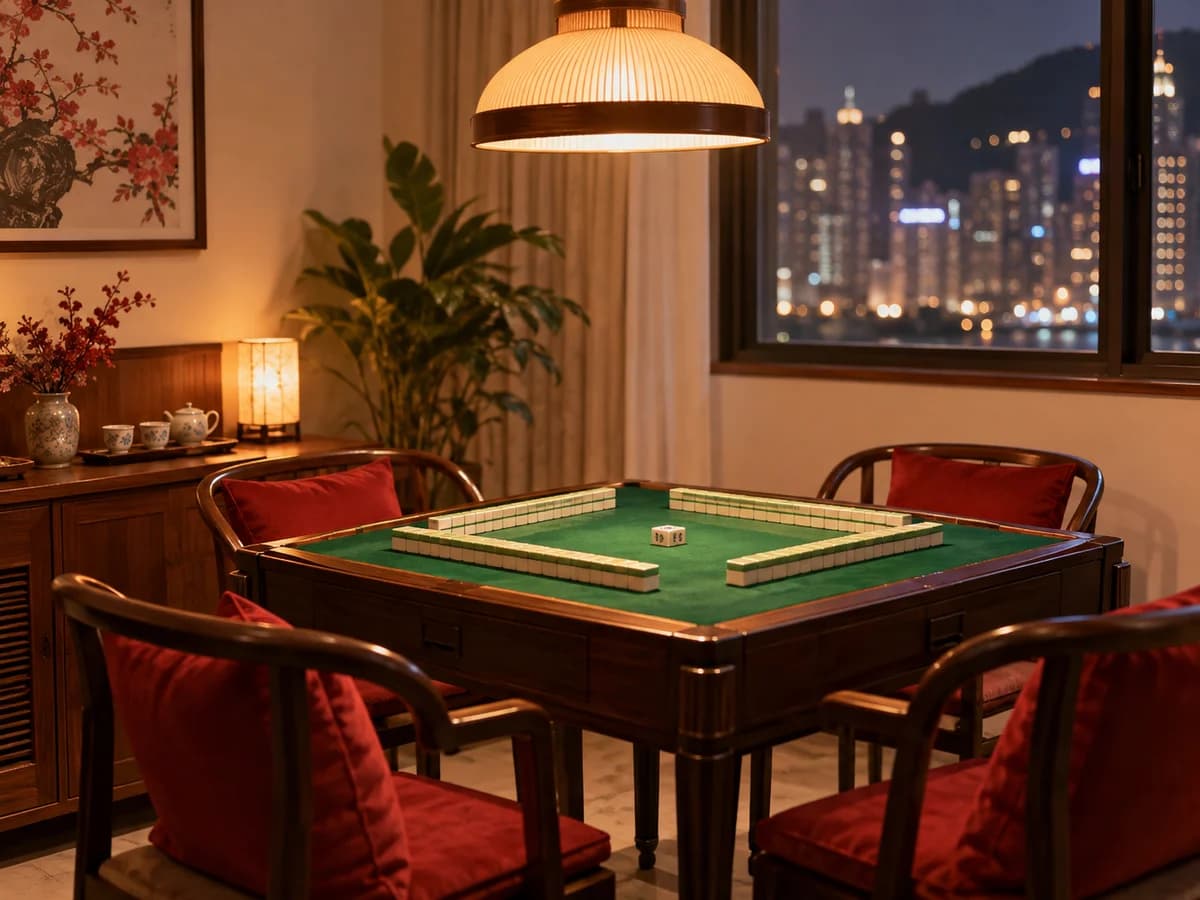
- Give quantities: how many mahjong tables, how many microphones.
- Add detail: models, lists, types.
- Keep it current: if something breaks or is replaced, update it straight away.
With clear detail, guests do not need to ask about each item, and bookings come faster.
Add-ons
If you offer add-ons, such as BBQ food sets or extra equipment, say exactly what is included and for how many people. Guests choose them when booking and they are added to the total automatically.
House rules
State the rules that affect a guest's decision:
- Alcohol, smoking and pets
- When noise must drop
- Whether shoes come off
- What cleaning is expected and how to deal with rubbish
- How overtime is handled
When guests know the rules in advance, you have a basis for reporting damage, overtime or extra cleaning later. See deposits, damage and disputes.
Check-in instructions
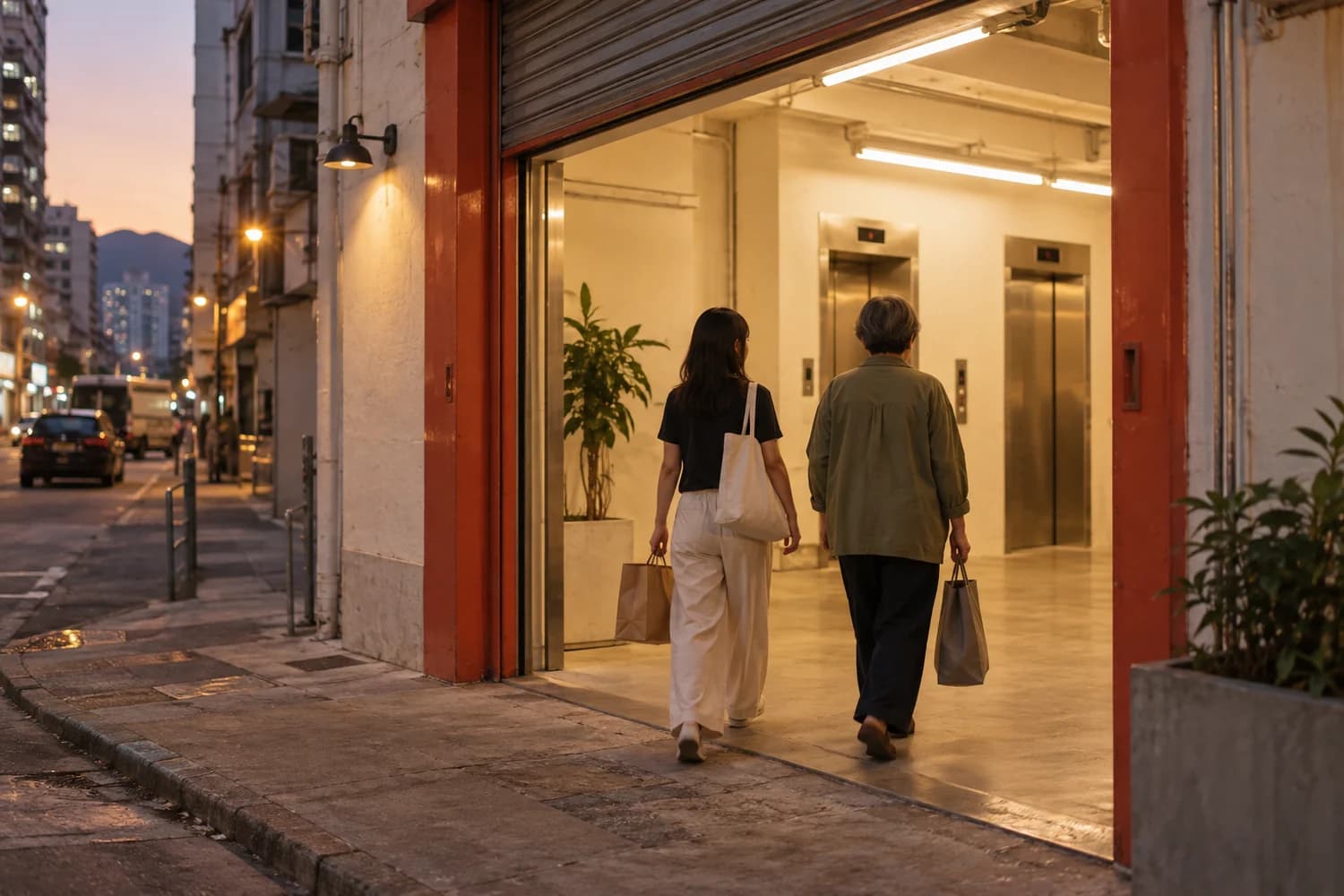
For self check-in venues, instructions are sent to the guest by email and WhatsApp before the start. Write them in the order the guest actually moves, from the building entrance to leaving:
- 1
Building entrance
Which street the building is on, what the entrance faces, and whether a different entrance is used at night or on holidays.
- 2
Lift
Which lift to take, whether there is a goods lift, and whether a card or sign-in is needed.
- 3
Unit door
Which way to turn out of the lift, and anything at the door that helps guests recognise it.
- 4
Door code or key
How to enter the code, or where the key is and how to return it.
- 5
Switches
Where the light, air-conditioning, sound and projector switches are and how to use them.
- 6
Wi-Fi
Network name and password.
- 7
Leaving and rubbish
Lights and air-conditioning off, where the rubbish goes, how to lock up.
- 8
Contact
How to reach you if something goes wrong, for example through platform messages.
The exact floor and unit are shown only after confirmation, and check-in instructions are never public. Instructions work best alongside entrance photos; see venue photos that book.
Final check
Frequently asked questions
What should the title say?
What guests search for: the district or nearest MTR station, the venue type, and one or two standout features, optionally with group size. Avoid all capitals, strings of symbols, and claims you cannot prove such as 'cheapest in Hong Kong'.
How detailed should the amenities be?
As specific as you can: console models and number of controllers, a board game list, the type of mahjong table, the models and number of speakers or instruments. Guests filter by amenity, and detail cuts down on repeat questions.
Are check-in instructions public?
No. Check-in instructions, such as a door code, are sent only to guests with a confirmed booking, by email and WhatsApp before the start. The exact floor and unit are also shown only after confirmation.
What belongs in the house rules?
Anything that affects a guest's decision: alcohol, smoking, pets, when noise must drop, what cleaning is expected before leaving, and how overtime is handled. Clear rules also give you a basis if there is a dispute later.
Found this useful?
Send it to the friends you're planning with.